
The Holiday Care Gap
While the holidays are a time of joy and celebration, they also highlight the persistent gender disparities in household and emotional labor.

Welcome To The Care Gap this week! The holidays are front and center, and although exhausted, I am loving it! So many of you are out there making the magic happen, powering yourselves with loads of caffeine as you check off your to-do list at home and at work. I wanted to at least speak to the struggles that women especially are facing during this time, and hope that we can continue to find little ways to close the care gap in our homes this holiday. As a reminder, newsletters will be short and concise through the holidays, and we’ll resume fully again in the new year.
TLDR:
Holiday Season Overload: The holiday season amplifies multitasking and workload, especially for women in heterosexual relationships. This includes managing children and a myriad of festive tasks, from organizing large events like interhouse sports for children to ensuring the home embodies the holiday spirit.
Gendered Holiday Responsibilities: Historical and social patterns show that women often bear the brunt of holiday preparations, from serious holiday shopping to planning and executing various holiday-related tasks. This reflects a longstanding view of such tasks as "women's work."
Changing Dynamics and Challenges: While there's a shift towards more equitable sharing of holiday tasks, women often face challenges in delegating these tasks to male partners. Historian Stephanie Coontz highlights the importance of trusting and sharing responsibilities, despite differences in task execution standards.
Acknowledging Emotional Labor: The holiday care gap is not just about physical tasks but also encompasses the emotional labor and mental planning predominantly undertaken by women. Recognizing and valuing this labor is key to addressing gender disparities in household and emotional labor during the holidays.
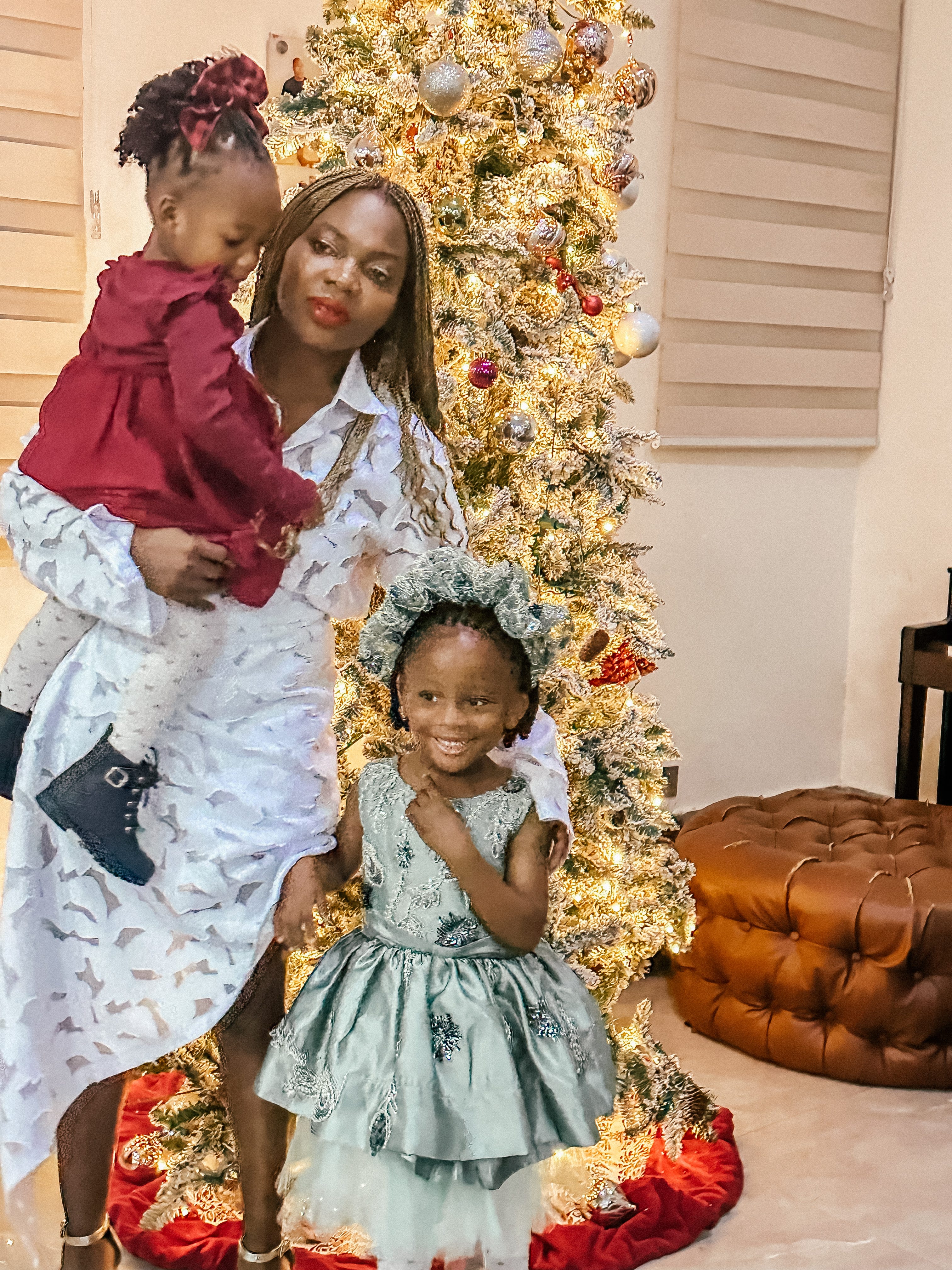
As the festive season approaches, my home transforms into a hub of activity. With my three young children on break from school and a teenager to manage, the holiday season often becomes a test of multitasking and endurance. This year, as many of us in heterosexual relationships experience, I find myself engulfed in a whirlwind of holiday tasks, ensuring the joy of the season permeates every corner of our home.
Recently, I was deeply involved in organizing an interhouse sports event for over 400 children and their families at my children’s school. This extensive planning entailed coordinating dances, meals, and various activities, mirroring the multifaceted roles women often assume during the holidays. From school events to holiday concerts, women are frequently at the forefront, orchestrating these intricate celebrations.
The issue of holiday labor visibility is critical, as it underscores the year-round domestic work that women predominantly undertake.
A 1990 study, aptly titled "More Than A Labor Of Love” highlighted the gendered nature of holiday shopping, noting women's tendency to view it as a serious, almost obligatory task. This perception of Christmas labor as "women's work" persists decades later. Women often find themselves solely responsible for the nuanced aspects of the holidays, from choosing the perfect Christmas pajamas to meticulously planning meals and experiences.
As a CEO dedicated to elevating women, work, and working families, the end-of-year crunch adds another layer to these responsibilities. Despite my partner's equally busy schedule, it's me who predominantly carries the mental load of ensuring a memorable holiday season for our family. This phenomenon isn't new; it echoes the socialization patterns of girls, who are often raised to prioritize caregiving and maintain social connections.
Historical perspectives shed light on the evolution of holiday traditions. Stephanie Coontz, a renowned historian, explains that family-oriented holiday celebrations are a relatively recent development. Previously, holidays were more about community interactions. However, the 19th century brought a distinct separation of roles, with men focusing on public, economic spheres, and women nurturing interpersonal relationships and kin-keeping.
Sociologist Michelle Janning further explains that women's responsibility for the home's presentation intensifies during the holidays. With social media like Instagram, this pressure has only escalated, amplifying the need for picture-perfect holiday displays.
The holiday care gap is not just a matter of additional tasks; it's about the emotional labor and mental planning that disproportionately falls on women.
Historian Stephanie Coontz points out that the pressure women feel during the holidays stems from centuries of societal messaging about their "special skills" in nurturing family and community life. This ingrained belief often leads women to adopt a "gatekeeper" role, seeking recognition for their unique contribution, even if it induces anxiety.
However, times are changing. Coontz notes that more women are advocating for shared responsibilities in holiday preparations. Men, including single and married ones, are increasingly taking on roles traditionally associated with women, such as shopping and organizing social gatherings.
Yet, as Coontz observes, the transition is not without its challenges. Women often find that their male partners may not perform these tasks to their standards, leading them to take on the work themselves to avoid additional stress. However, Coontz emphasizes the importance of trusting men to participate in these tasks, drawing a parallel to allowing children to learn through trial and error.
Daniel L. Carlson from the University of Utah highlights another dimension: couples are generally happier when they perceive the division of labor as equitable. His research indicates that couples with a balanced division of labor tend to have more satisfying relationships. Yet, the reality is that most couples do not divide work evenly, and the holiday season often exacerbates existing imbalances.
The issue of holiday labor visibility is critical, as it underscores the year-round domestic work that women predominantly undertake. Judith Shulevitz argues for the recognition and valuation of women's unpaid work, emphasizing its importance and contribution to society. Carlson adds that achieving a fair division of labor in the U.S. is challenging due to minimal structural or cultural support.
While it's crucial to acknowledge the joy many women derive from these activities, the accompanying stress cannot be overlooked. The holiday care gap is not just a matter of additional tasks; it's about the emotional labor and mental planning that disproportionately falls on women.
While the holidays are a time of joy and celebration, they also highlight the persistent gender disparities in household and emotional labor. Acknowledging this "holiday care gap" is the first step towards creating a more equitable and enjoyable season for everyone involved.
Blessing Oyeleye Adesiyan is the Founder & CEO of MH WorkLife and Caring Africa. She is a mother of four ages 2, 4, 6, and 14, a Chemical Engineer, Operational Excellence Leader, and Care Economy Expert. Please share your thoughts in the comments, and feedback directly to my inbox at blessing@mhworklife.com.